
-3 2x1.jpg)
Advanced reactor economics and markets
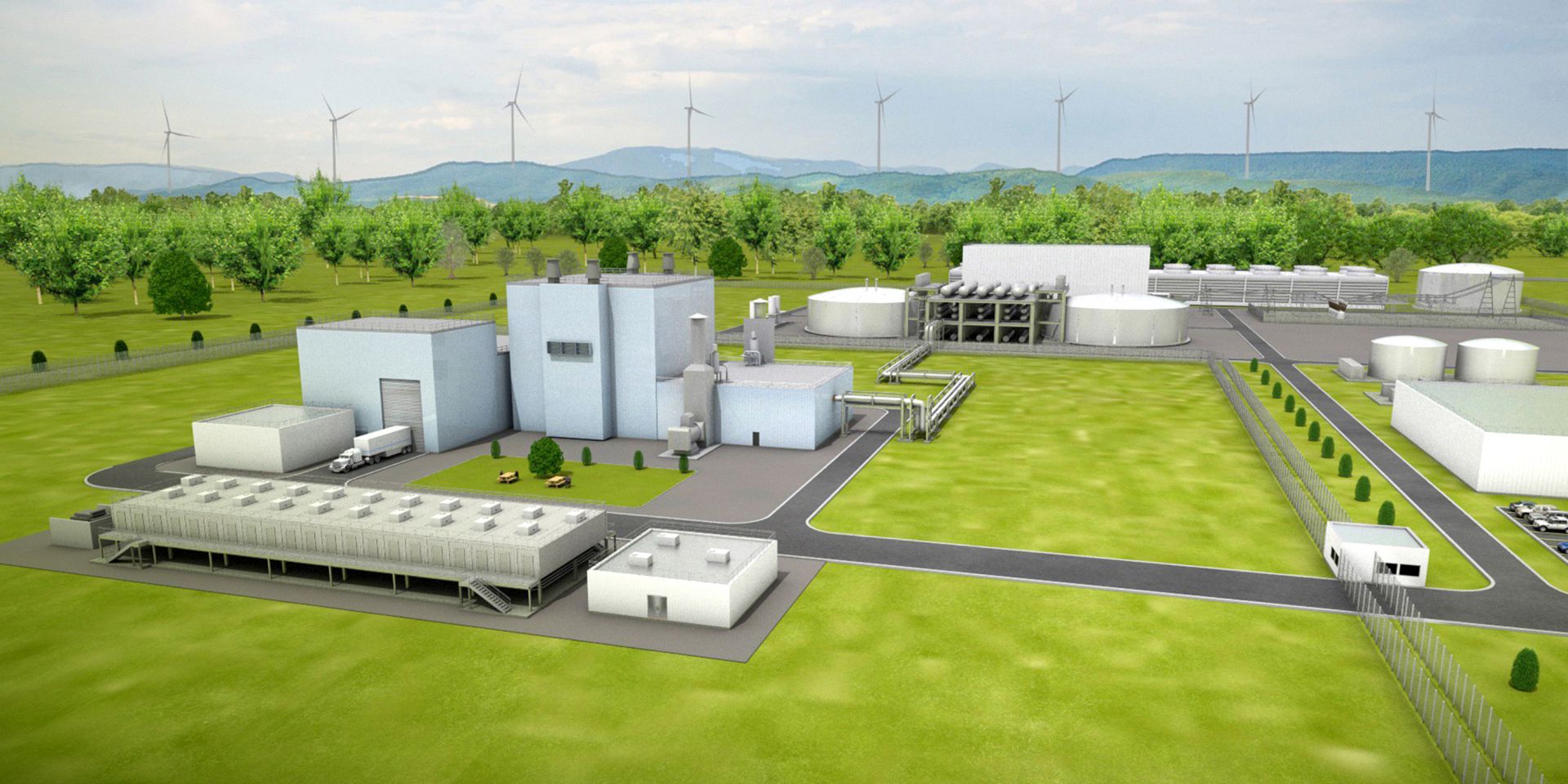
The viability of nuclear power ultimately depends on economics. Safety is a requirement, but it does not determine whether a reactor will be deployed. The most economical reactor maximizes revenue while minimizing costs. The lowest-cost reactor is not necessarily the most economical reactor. Different markets impose different requirements on reactors. If the capital cost of Reactor A is 50 percent more than Reactor B but has characteristics that double the revenue, the most economical reactor is Reactor A.
The most important factor is an efficient supply chain, including on-site construction practices. This is the basis for the low capital cost of light water reactors from China and South Korea. The design of the reactor can significantly affect capital cost through its impact on the supply chain. The question is, how can advanced reactors boost revenue and reduce costs?

 Among the 12 energy-mix scenarios analyzed in




 The Atlantic Council’s Global Energy Center has issued a report,




 A recently published paper on clean energy policy for economic recovery calls for the preservation of the current U.S. nuclear reactor fleet and the deployment of advanced nuclear technologies.
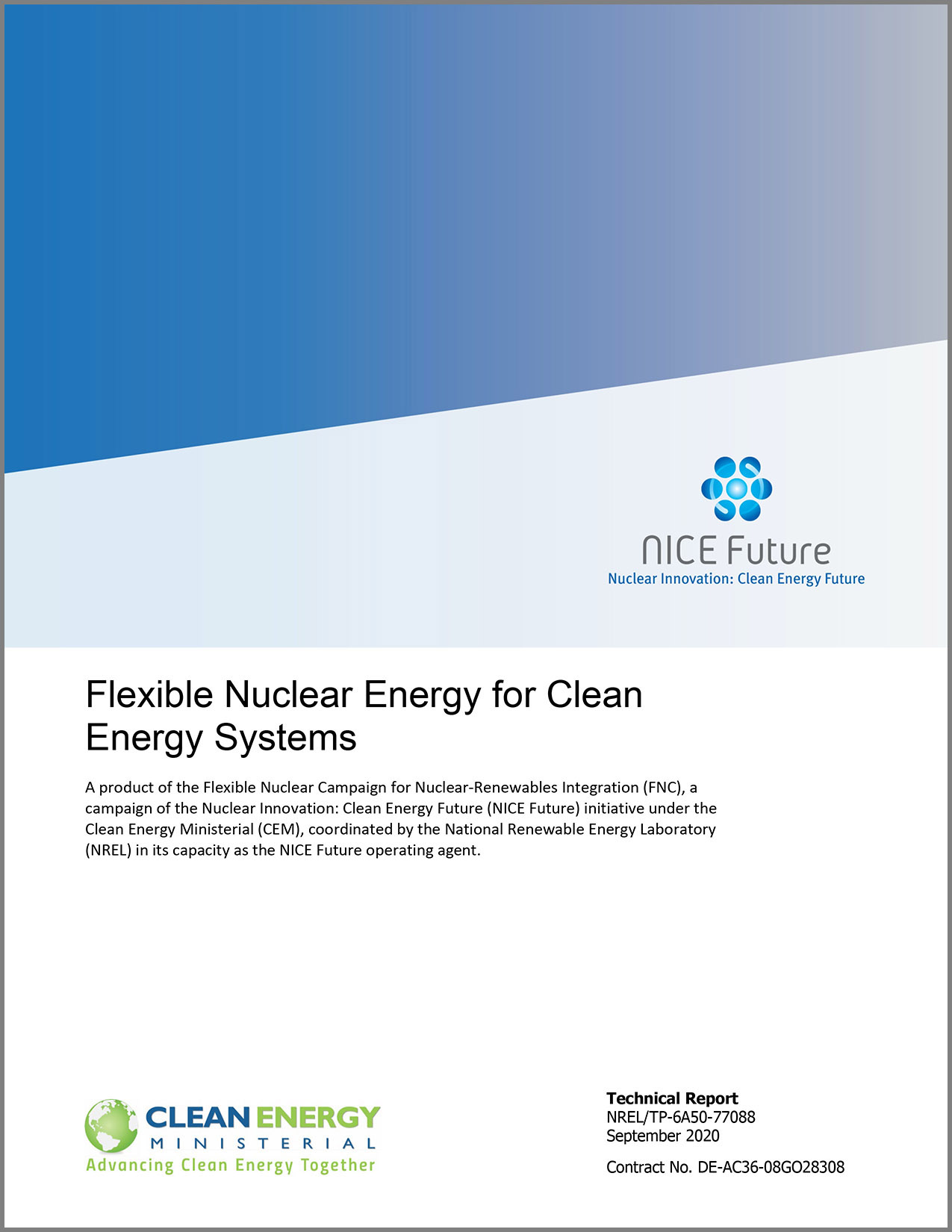 A report just released from the Clean Energy Ministerial’s (CEM) Nuclear Innovation: Clean Energy (NICE) Future initiative examines the potential roles that flexible nuclear energy generation can play in both current and future clean energy systems.
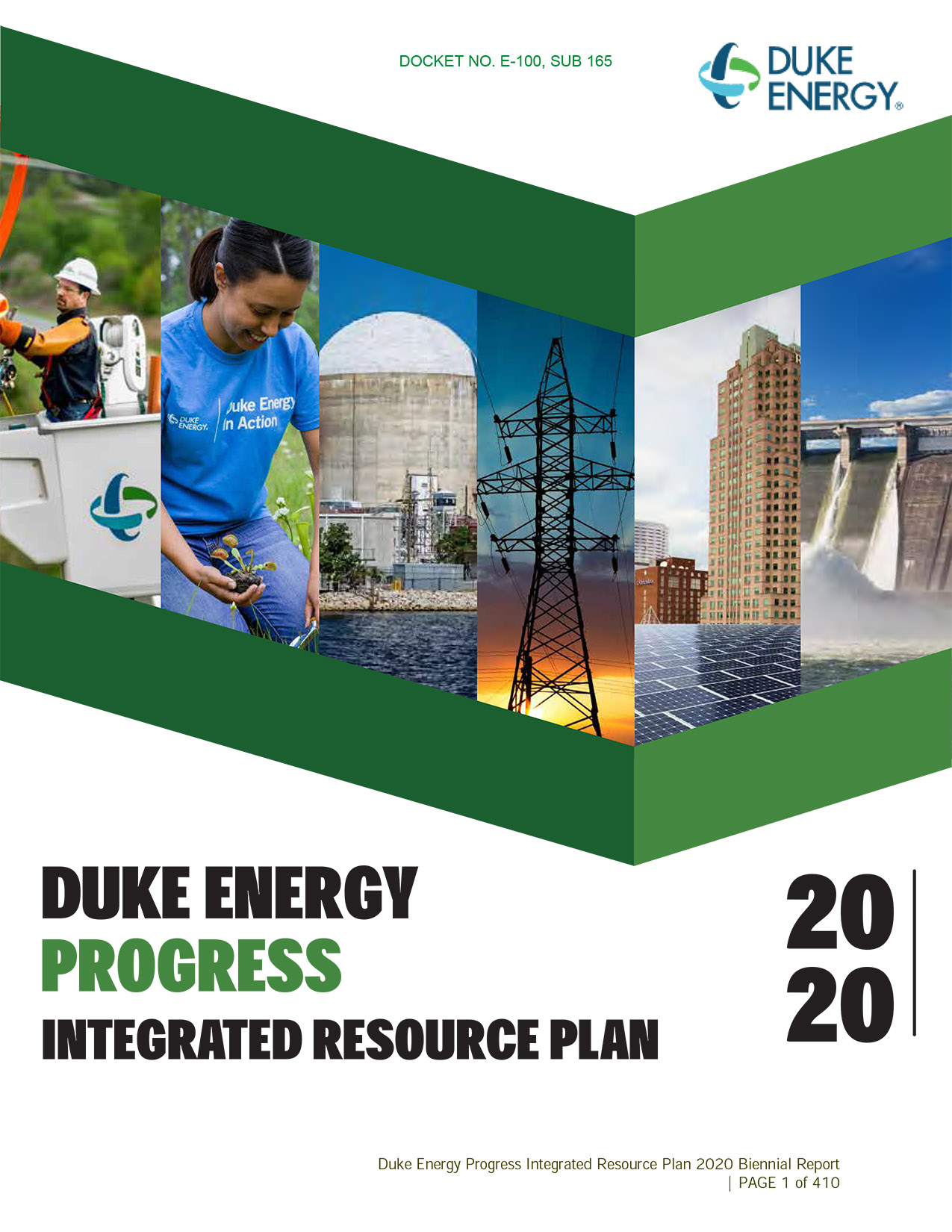 Duke Energy Progress and Duke Energy Carolinas have filed their 2020 Integrated Resource Plans (IRPs) with state regulators, parent company Duke Energy announced September 1.
 The Department of Energy’s Advanced Research Projects Agency-Energy (ARPA-E) is at work developing and demonstrating novel energy technologies and connecting those technologies with private-sector investors. The researchers and innovators behind ARPA-E want to tell you all about it in a series of “Energy Briefs” available through the agency’s